The Keys to Tailoring Your Jeans to Fit You
Tailoring your own jeans is one of the smartest ways to achieve a perfect custom fit without spending hundreds at a tailor or settling for off-the-rack compromises. Whether you’re shortening hems, taking in the waist, slimming the thighs, or reshaping the rise, the process turns ill-fitting denim into wardrobe staples that flatter your body exactly. The keys boil down to precise measuring, the right tools, proper technique, and—most importantly—a reliable sewing machine powerful enough to handle thick denim layers without skipping stitches or breaking needles.
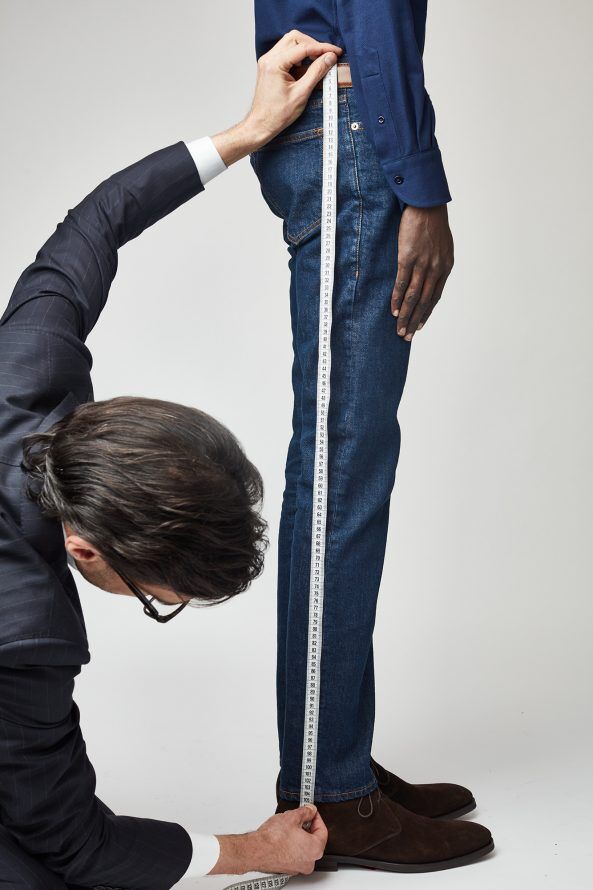
Start with accurate measurements while wearing the jeans (or a similar pair). Pin along the seams to mark your ideal fit—waist, hips, inseam, and thigh width—then turn the jeans inside out and use tailor’s chalk or a fabric marker for clean lines. Rip out the existing seams carefully with a seam ripper to avoid damaging the fabric. This preparation step is crucial because denim is unforgiving; once you cut or sew, there’s little room for error. Always leave extra seam allowance (at least ½ inch) so you can adjust later if needed.
When it comes to actual sewing,
Tailoring Your Jeans
use heavy-duty tools: size 16 or 18 denim/jeans needles, strong polyester or topstitching thread, and a walking foot or specialized presser foot for even feeding on multiple layers. Reinforce stress points like pockets and crotch seams with a double row of straight stitches or a zigzag for stretch. For professional-looking results, match the original topstitching thread color and use a longer stitch length (3–4 mm) to mimic factory seams. These small details separate amateur alterations from tailor-quality work.
The biggest game-changer is choosing the right sewing machine—one with industrial-level feeding power to glide through thick denim without puckering or stalling. That’s where Juki machines shine, and Carolina Forest Vac & Sew in Myrtle Beach carries three outstanding options under $1,000 that are ideal for home jeans tailoring.
Recommended Sewing Machines Under $1,000 from Carolina Forest Vac & Sew
- Juki HZL-F300 (~$690) – An unbeatable entry-level workhorse with Juki’s signature Box Feed system for flawless even feeding on heavy denim. It handles multiple layers effortlessly and comes loaded with utility stitches perfect for repairs and alterations.(3-19-26)
- Juki HZL-F400 (~$797) – Steps up with more built-in stitches, an included knee lift, walking foot, and extension table—making it easier to maneuver large jean legs and bulky seams. The Box Feed plus extra accessories make it a favorite for serious home sewers tackling custom fits.
- Juki HZL-DX5 (~$879) – The premium choice in this price range, featuring the advanced Box Feed, float function for tricky fabric transitions, and automatic thread trimming. Its power and precision turn complex alterations (like reshaping curvy hips or adding details) into smooth, professional results.
With any of these Jukis from Carolina Forest Vac & Sew, you’ll have the reliability and features needed to tailor jeans confidently for years. Their local expertise, service, and current pricing make them the go-to spot in the Myrtle Beach area. Master these keys—measure twice, sew once, and invest in the right machine—and you’ll never buy “almost perfect” jeans again. Your custom-fit denim will feel like it was made just for you.
Advanced
Tailoring Your Jeans
Denim Sewing Techniques
Mastering advanced denim sewing takes your projects from basic alterations to professional-grade custom jeans or garments. At this level, focus shifts to durable, authentic construction that withstands wear while achieving that signature jeans look. Key techniques include flat-felled seams (the classic strong, clean finish seen on RTW denim), precise topstitching for reinforcement and style, strategic bar tacking at stress points, and smart handling of bulky areas to avoid skipped stitches or broken needles.
Flat-felled seams are a cornerstone for authentic denim. Sew pieces wrong sides together with a 5/8″–3/4″ seam allowance, trim one side to 1/4″, fold the longer allowance over the trimmed edge, encase the raw edges, and topstitch twice (once close to the fold and once 1/4″ away). This creates a flat, strong seam with no raw edges exposed—perfect for inseams, outseams, and yokes. Use a hump jumper or folded fabric scrap under the presser foot to level it over thick intersections, and hand-walk the needle through bulky spots like crotch seams or pocket edges.
Topstitching
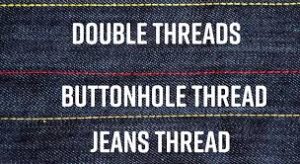
elevates denim projects to pro level. Use heavy topstitching thread (or jeans thread) in the needle with regular polyester in the bobbin to prevent looping or tension issues. Set stitch length to 3–4 mm for even, prominent lines that mimic factory stitching. Double rows are standard—one close to the seam and one 1/4″ parallel—for reinforcement on hems, pockets, and waistbands. For contrasting color pops, test on scraps; match thread weight to needle size (90/14–110/18 jeans/denim needles) to avoid shredding.
Bar tacks and reinforcement are essential for high-stress areas like pocket corners, belt loops, fly ends, and crotch. Use a narrow zigzag (or your machine’s bar tack stitch) with short stitch length (0.5–1 mm), sewing back and forth 1/4″–3/8″ to create a dense, durable bar. Interface behind buttonholes and buttons for stability, and double-stitch seams in high-wear zones like the crotch curve. For stretch denim, avoid twin needles on thick layers; stick to single-needle topstitching to maintain integrity.
Handling bulk and transitions
separates advanced work. Pre-flatten seams with a tailor’s clapper or padded hammer before topstitching. Use a walking foot for even feeding on multiple layers, or rely on Juki’s Box Feed for consistent results. Cut waistbands on the crosswise grain (with fusible interfacing) to minimize shrinkage mismatch with legs. Pre-wash denim multiple times in warm water to remove excess shrinkage, and always serge or zigzag raw edges before assembly if not using flat-felled seams.
These techniques demand practice on scraps, but they deliver jeans that fit, last, and look custom-made. Pair them with a powerful machine like those from Carolina Forest Vac & Sew for reliable results on thick denim. With patience and precision, you’ll create pieces that rival bespoke tailoring for years to come.
Keys to Embellishments on Custom Jeans
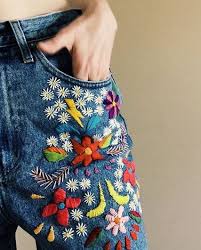
Once you’ve mastered the foundational tailoring and advanced construction techniques for your custom jeans, the real magic happens with embellishments. Furthermore, these creative touches transform a well-fitted pair into a truly one-of-a-kind fashion statement that reflects your personal style.
Moreover, the joy of creation shines brightest here, as you watch your unique vision come alive stitch by stitch. Additionally, embellishing denim allows for endless self-expression, turning ordinary jeans into exclusive wearable art that no mass-produced piece can ever match. Therefore, mastering a few key methods not only elevates your designs but also delivers the deep satisfaction that comes from crafting something truly yours.
machine embroidery
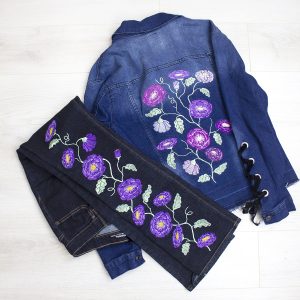
In addition to basic reinforcement, one standout technique is machine embroidery. For example, you can hoop a back yoke or pocket and add personalized monograms, intricate floral patterns, or custom logos using built-in designs or imported files. As a result, your jeans gain a high-end, boutique feel that screams individuality. Furthermore, this method works beautifully on denim because the sturdy fabric holds dense stitching without puckering when stabilized properly.
Another exciting option involves custom appliqué with embroidered outlines. Moreover, cut shapes from contrasting fabric (like leather scraps or colorful cotton), layer them onto the jeans, and secure them with satin-stitched borders or decorative motifs. In addition to adding texture and dimension, this technique lets you mix materials for a truly artistic effect. Consequently, your creations stand out as exclusive fashion pieces that tell a story only you could design.
decorative topstitching
Finally, decorative topstitching combined with beaded or studded accents rounds out the trio. For instance, use contrasting thread for bold parallel lines along seams, then hand- or machine-apply rhinestones, metal studs, or even small embroidered details at stress points. Therefore, these layered embellishments not only reinforce the garment but also infuse pure joy into the process—each sparkling detail reminding you of the creative freedom you’ve unlocked.
To bring these embellishments to life effortlessly and with professional precision on your custom denim, Carolina Forest Vac & Sew in Myrtle Beach carries several outstanding combination sewing and embroidery machines, each featuring a minimum 5″ x 7″ embroidery field (or larger). Furthermore, these generous hoop sizes deliver major benefits over small-hoop machines like the basic 4″ x 4″ combo models: you can stitch larger, more intricate designs in a single pass—perfect for full jean yokes, entire back pockets, or sweeping leg panels—without the hassle of repeated re-hooping that often causes misalignment on curved denim. In addition, the bigger field expands your creative possibilities, letting you create truly exclusive, show-stopping pieces while preserving the pure joy of uninterrupted design flow.
By contrast, small 4″ x 4″ hoop machines force you to break big ideas into multiple sections, leading to frustration, extra time, and potential gaps or shifts that diminish the professional finish and satisfaction of your custom work. Moreover, the upper models in this lineup feature stronger motors and superior piercing power specifically engineered for heavy fabrics like denim, allowing smooth sewing through multiple layers without skipped stitches or needle strain—something entry-level small-hoop machines simply cannot match.
The Brother SE2000
(around $1200–$1,600 depending on current promotions) builds on the same 5″ x 7″ embroidery area with enhanced features like jump stitch trimming, wireless design transfer via WiFi, and a knee lift for hands-free control. These upgrades make it especially ideal for precise, uninterrupted embellishment sessions on bulky denim projects, allowing you to focus on the creative joy rather than manual interruptions.193 built-in embroidery designs and 241 built-in sewing stitches.
Finally, the Brother NQ3550W (around $1999–$3,000 range for select bundles or promotions) stands out as the premium choice with an expansive 6″ x 10″ field, wireless connectivity, 258 embroidery designs, 291 sewing stitches, and even stronger motor power for superior piercing through thick jean layers. This larger hoop and robust performance enable large-scale, exclusive creations—like sweeping leg patterns or multi-design compositions—that truly celebrate your unique fashion vision with effortless precision.
These machines ensure your custom jeans embellishments are professional, durable, and deeply personal.
Ultimately, embracing these embellishment keys opens a world of creative possibility. Furthermore, with the right larger-hoop machine from Carolina Forest Vac & Sew, every project becomes a joyful celebration of fashion design and personal artistry. Therefore, step into your sewing space, let your imagination run free, and create jeans so exclusive and beautiful that wearing them feels like sharing a piece of your soul with the world. Your custom denim journey awaits—make it unforgettable!